The Prado Museum is one of the most important art museums in the world. It first opened its doors in November 1819 and has amazed millions of visitors with its outstanding collection ever since. However, if you’re not an art expert, you may wonder which artists you should pay special attention to before your visit.
That’s exactly why we wrote this guide. Here, you’ll discover the artists whose works occupy the largest amount of gallery space in this extraordinary museum. The names in the top five—and especially the top four—may surprise you!
The top 5 artists with most number of works in the Prado Museum
That’s exactly why we wrote this article. Here, you’ll discover the artists whose paintings occupy the largest amount of gallery space in this extraordinary museum. Five of them are Spanish, while one is Flemish. Interestingly, one of the Spanish artists spent most of his adult life in Italy. Can you guess who they are? The names in the top four—and especially the top three—may surprise you!
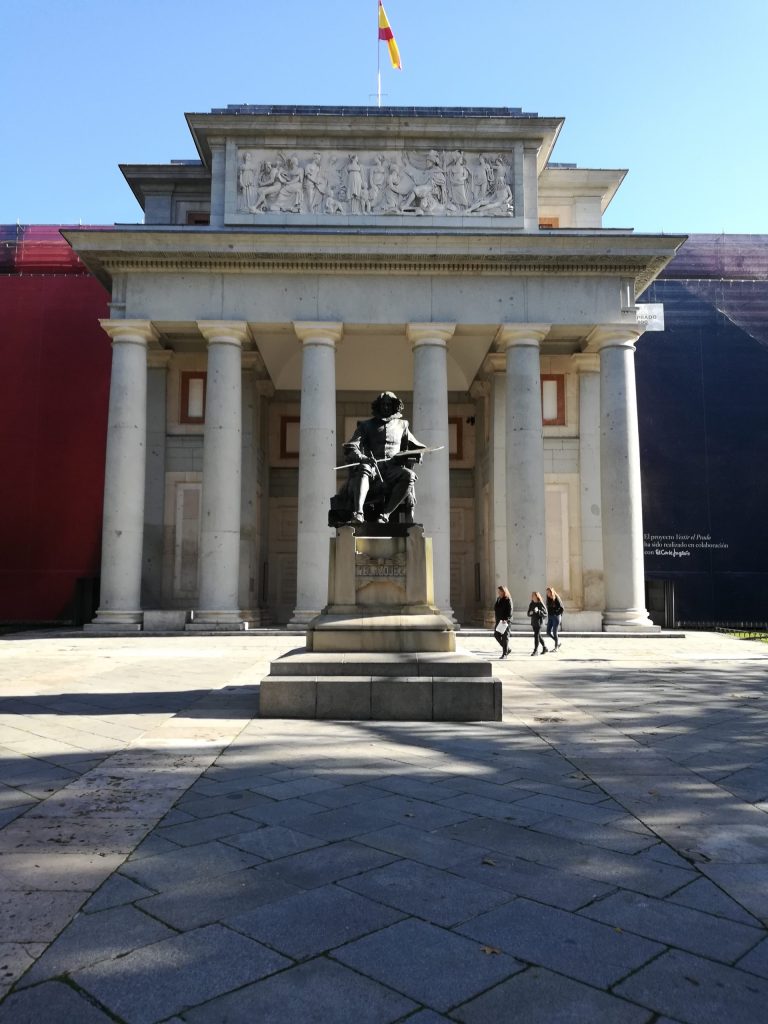
5. Diego Velázquez
According to our boss, there is only one true master. The greatest painter of all time. The one and only. He isn’t the Michael Jordan of painting—Michael Jordan is the Velázquez of the hoops.
Diego Rodríguez de Silva y Velázquez was born in Seville, Spain (just like our boss, what a coincidence) in 1599. Among the great artists of his time, he stood out for his ability to think outside the box and constantly push the boundaries of painting. Among the artists of his time, we can underline his capacity of thinking outside of the box. His best-knowns masterpieces are Las meninas and The Spinners (Las hilanderas.) Today, the Prado Museum displays 94 of his works.
4. Mariano Fortuny
With 103 works in the Prado Museum, Mariano Fortuny is probably one of the most unexpected names on this list. He was born in Reus, Catalonia, in 1838 and died in Rome, Italy, in 1874. Although his life was short, it was remarkably productive. He travelled extensively and developed a distinctive artistic vision, often portraying the harsh realities of war and everyday life.
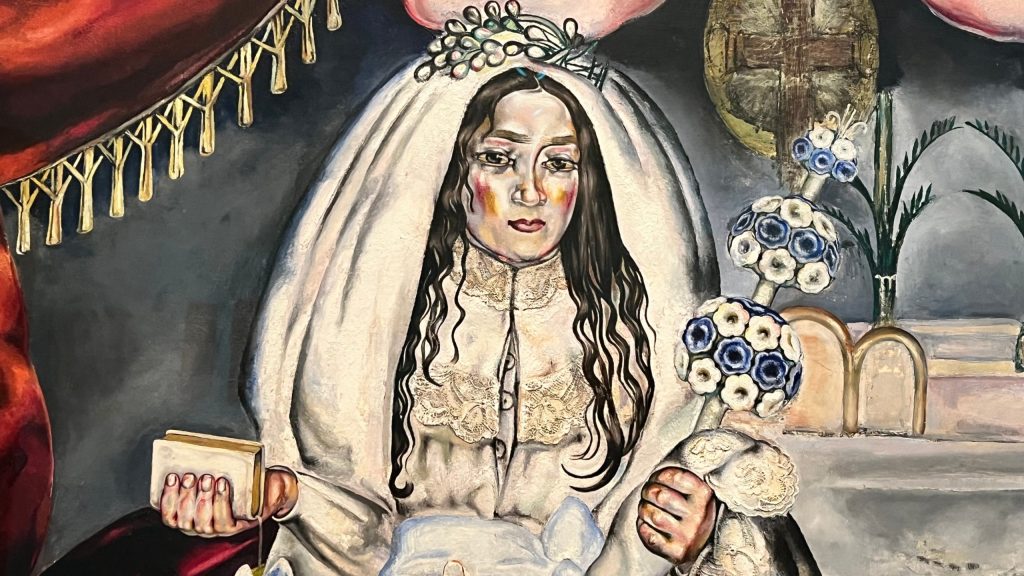
Among his finest works, Batalla de Wad-Rass and La Esclava. stand out, both inspired by his experiences in North Africa. As the most recent artist on this list, Fortuny was also the one most influenced by those who came before him. Given their chronological proximity, Francisco de Goya was probably his greatest source of inspiration.
3. José de Ribera
José de Ribera is credited with one of the greatest quotes about how Spaniards treat their finest countrymen while they are still alive:
«Spain is a loving mother to foreigners and a cruel stepmother to her own children.»
Ouch. That’s a bitter observation.
Ribera had to leave Spain to build his career—and what a career it was. He spent most of his adult life in Naples, Italy, where he embraced Caravaggio’s dramatic naturalism and pushed it to its emotional and moral limits, creating one of the most powerful bodies of work of the Spanish Baroque.
His series of apostles marks a striking change in the atmosphere of the Prado Museum. As you walk through the Renaissance galleries, everything feels idealised and almost untouchable. Then you come across Ribera’s paintings and think, «Wow, these people could be my neighbours.» Even though he spent so many years in Italy, the Prado Museum is home to 122 of his works.
2. Peter Paul Rubens
If there is one artist in the Prado Museum you’d most like to grab a beer with, it has to be good old Peter Paul Rubens. As the oldest artist on this list, his influence was probably the greatest as well. He met Velázquez and, according to some historians, encouraged him to travel to Italy to continue his artistic education. Rubens himself worked in Italy, became one of the first artists to recognise Caravaggio’s genius, served as a diplomat for the Spanish Crown, and—most importantly—was an extraordinary painter.
Among all the artists on this list, Rubens was the one who eventually retired from public life and painted simply for the joy of it. That’s when we see him at his very best. The Three Graces, for example, captures a mature artist completely at ease with his craft. Good old Peter Paul was simply enjoying himself. The Prado Museum is home to 150 of his works. Not bad at all!
1. Francisco de Goya
And the top 1 is our beloved, grumpy Goya! The number is astonishing: 1,397. Does the Prado Museum really display 1,397 paintings by Goya? Not quite. That figure also includes drawings, prints, letters, notebooks, and other documents preserved by the museum.
One thing you’ll quickly discover about Francisco de Goya is that his talent went far beyond painting. Not only was he one of history’s greatest artists, but he was also a meticulous writer. His reflections on politics, society, and the turbulent times he lived through are every bit as fascinating as his artwork.
Do you want to know more about these artists?
All you have to do is book a tour with us! You can do it clicking here. Some things you might want to know:
Our group tours are limited to 7 guests at the Prado Museum and the Thyssen Museum, 6 guests at the Reina Sofía Museum, and 8 guests at the Royal Palace. If your group is larger, just let us know—we’ll be happy to arrange a private tour for you.
Your ticket is included in the price.
We offer tours in English, Spanish, Italian, and French. Be sure to check our schedule to find the language and time that suits you best.
Want to spend more than 90 minutes exploring the museum? Great! We also offer 2-hour tours for those who want a deeper experience.
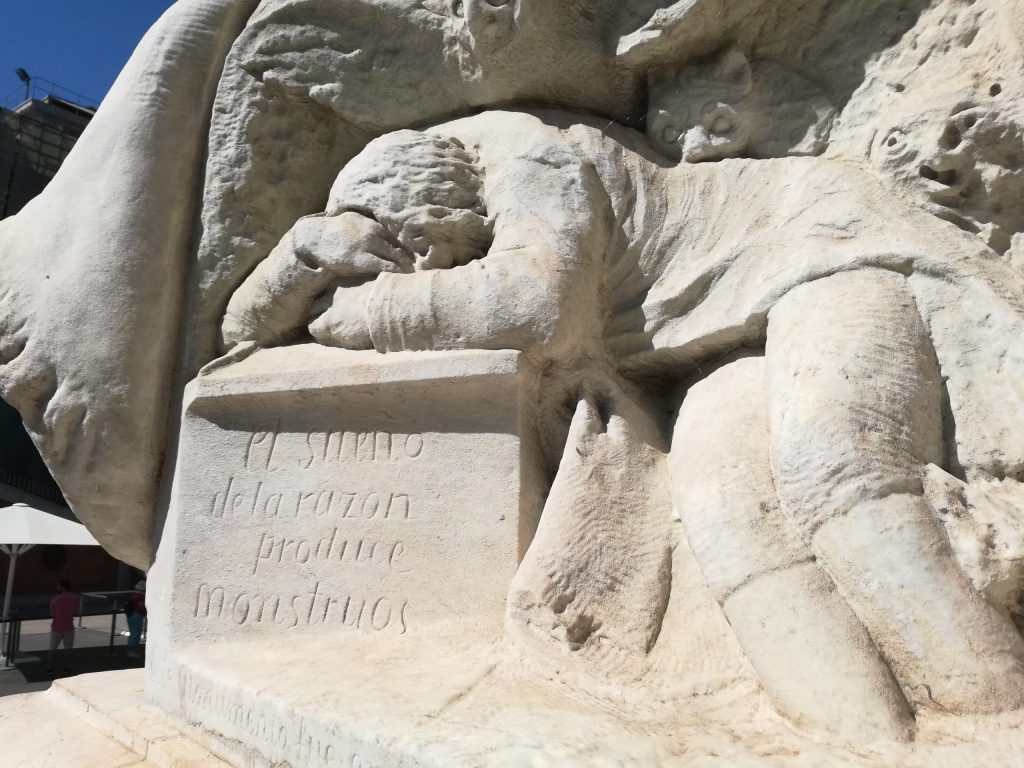
One last fun fact: our meeting point is the monument to one of the artists featured in this article—Francisco de Goya. You’ll find it right in front of the Prado Museum ticket office. See you there!