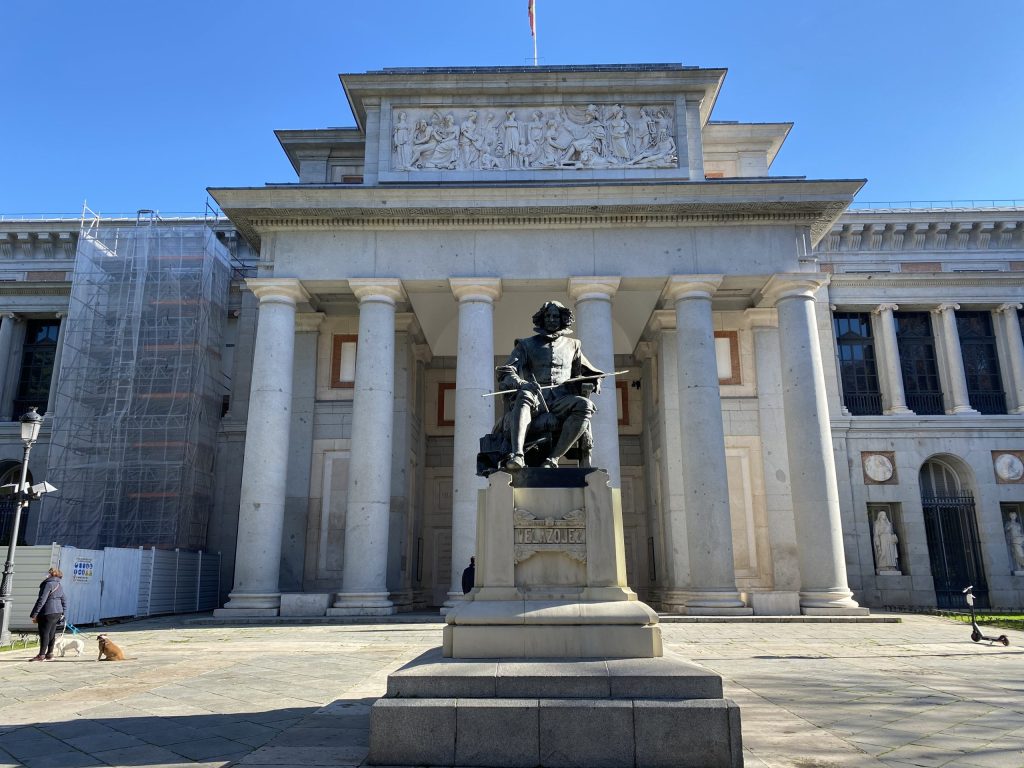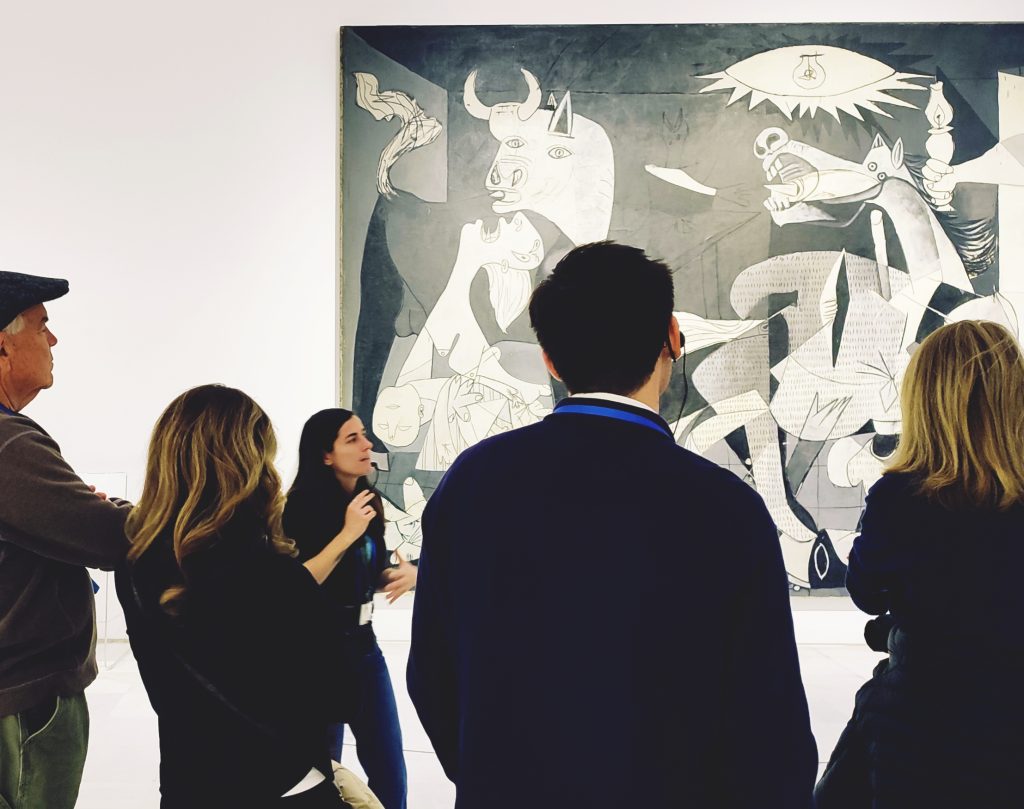
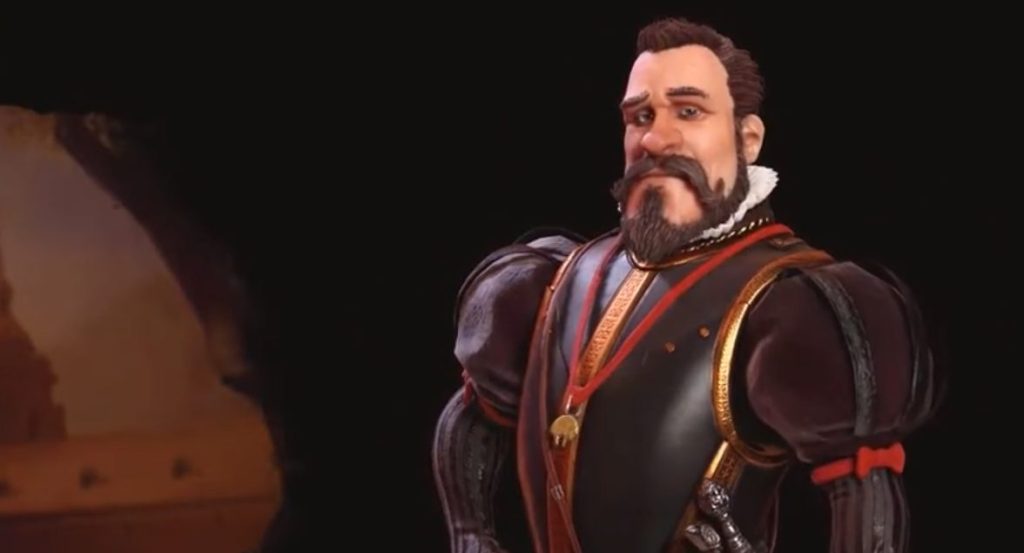
Before we dive in, it is worth remembering that Civilization VI is not intended to be a history textbook. Like any strategy game, it condenses centuries of historical events into a handful of unique abilities that distinguish each civilization. Behind each of these mechanics, however, lies a deliberate design choice made by the developers. In the case of Philip II, religion, overseas expansion, and naval power form the three pillars upon which his in-game representation is built.
But how accurately does the game portray the real monarch? Was Philip II truly the most religious king in Europe? Why are the Missions and the Conquistadors unique to Spain? In this article, we will examine Philip II’s main features in Civilization VI and explore the historical context behind them. After all, understanding the history that inspired the game is often the best way to enjoy it.
In this article
1. Who Was Philip II?
When Philip II inherited the Crown in 1556, he received far more than a kingdom. The son of Emperor Charles V, he became ruler of a vast collection of territories stretching across Europe, America, Asia, and Africa. Castile, Aragon, Naples, Sicily, the Low Countries, the Duchy of Milan, and Spain’s American possessions all came under his authority. A few years later, Portugal and its enormous colonial empire would also join his domains. It is no coincidence that it was during his reign that people began to say that “the sun never set” on his empire.
Unlike his father, who spent much of his life travelling across Europe, Philip II established Madrid as the capital of the Spanish Monarchy and ruled from there for most of his reign. His style of government was meticulous. He personally reviewed vast quantities of official documents, consulted his councils, and made decisions affecting territories located thousands of kilometres away. The image of a king surrounded by paperwork in El Escorial is a far cry from the battlefield commander one might imagine while playing a strategy game.
His reign was marked by some of the defining events of the sixteenth century: the Battle of Lepanto against the Ottoman Empire, the Dutch Revolt, the incorporation of Portugal into the Spanish Crown, the expansion of the empire across America and Asia, and the rivalry with Elizabeth I’s England. At the same time, Philip II became one of the leading champions of Catholicism during the Counter-Reformation, a defining characteristic that Civilization VI places at the very centre of his in-game personality.
For that reason, understanding why Firaxis assigned Philip II certain abilities requires more than simply knowing that he was King of Spain. It requires understanding the political, religious, and military context of an age in which the Spanish Monarchy was the largest power on Earth and one of the leading forces shaping the early modern world.
2. El Escorial: Philip II’s Leader Ability in Civilization VI
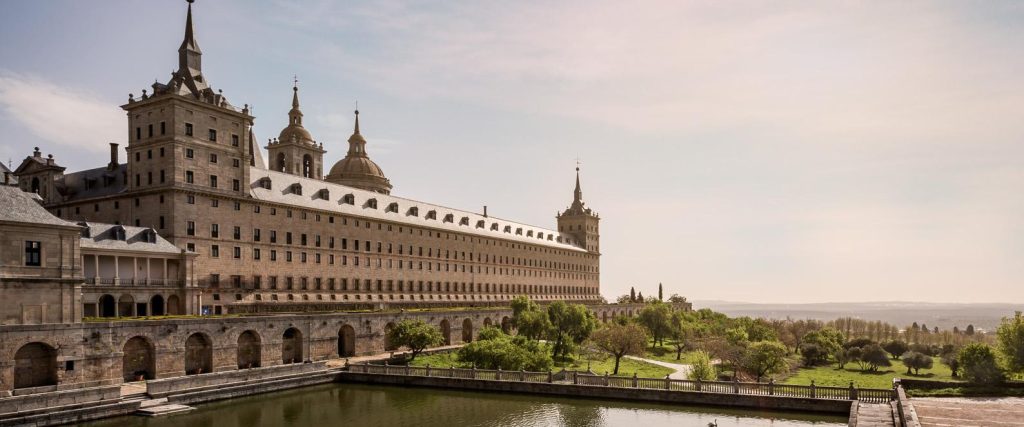
In Civilization VI, every leader has a unique ability designed to capture the essence of their style of rule. In Philip II’s case, that ability is El Escorial, a direct reference to the monastery he ordered to be built in the mountains northwest of Madrid, today one of the greatest symbols of his reign.
Within the game, this ability revolves around religion. Spain gains advantages against civilizations that follow other religions, reflecting the central role Catholicism played in Philip II’s foreign policy. To understand why the developers chose this particular mechanic, we must look back at the religious landscape of sixteenth-century Europe.
During Philip II’s reign, Europe was deeply divided by religion. Only a few decades earlier, Martin Luther had launched the Protestant Reformation, a movement that shattered the religious unity of Western Europe. The Catholic Church responded with the Counter-Reformation, inspired by the Council of Trent, and Philip II emerged as one of its most determined defenders.
This policy had very real consequences. The Spanish Monarchy intervened in conflicts such as the Dutch Revolt, actively supported Catholic causes across Europe, and fought against the Ottoman Empire in the Mediterranean. From the perspective of Civilization VI, these historical events are condensed into a military and religious bonus that rewards players for confronting civilizations following different faiths.
Yet portraying Philip II solely as a deeply religious king would be an oversimplification. Religion was undoubtedly central to his policies, but so were the administration of a vast empire, diplomacy, economic affairs, and the protection of maritime routes connecting four continents. That is precisely why the choice of El Escorial as the name of his unique ability is so meaningful.
Why Is It Called “El Escorial”?
Although the Monastery of San Lorenzo de El Escorial is now one of Spain’s most visited monuments, during Philip II’s lifetime it represented far more than a religious building. Conceived as a monastery, royal palace, library, royal pantheon, and administrative centre, it became the true political heart of the Spanish Monarchy.
Construction began in 1563 and continued for more than twenty years. Traditionally, the project has been linked to Spain’s victory at the Battle of St. Quentin, fought on 10 August 1557, the feast day of Saint Lawrence. According to tradition, Philip II vowed to build a monastery dedicated to the saint after defeating France. Modern historians, however, agree that the project also reflected the king’s broader political ambitions and dynastic vision.
For that reason, Civilization VI chose its name particularly well. Rather than representing a simple building, El Escorial symbolises Philip II’s entire style of government: a monarch who ruled from a fixed capital, deeply committed to Catholicism, yet also extraordinarily organised, capable of directing the largest empire of his age from behind a desk. It is arguably a more representative choice than referencing the Spanish Armada or the Battle of Lepanto, despite those events being much better known today.
How Is This Reflected in the Prado Museum?
Although Philip II never visited the Prado Museum—the museum would not open until more than two centuries after his death—his legacy is present throughout its galleries. Many of the masterpieces displayed today entered the Royal Collection thanks to his patronage, making him one of the principal architects of Spain’s artistic heritage.
Philip inherited his father’s passion for collecting art, but expanded it considerably. During his reign, he acquired paintings from Italy and Flanders, patronised many of the greatest artists of his time, and developed a particular admiration for Titian, who painted several portraits of the king and members of the royal family. He was also largely responsible for incorporating works by Hieronymus Bosch into the Royal Collection, an artist whose extraordinary imagination fascinated him.
Many of these paintings—including The Garden of Earthly Delights—were originally destined for the Monastery of El Escorial. There they decorated chapels, churches, royal apartments, and monastic spaces, forming an artistic programme designed both to inspire religious devotion and to reinforce the prestige of the Spanish Monarchy. Over the centuries, many of these masterpieces were transferred to the Prado Museum, where they are now among its greatest treasures.
For that reason, walking through the galleries dedicated to Titian, Bosch, or sixteenth-century Flemish painting is also an opportunity to discover Philip II’s personal artistic taste. In a sense, visitors are not only admiring the Prado’s collection, but also the collection of one of the monarchs who did the most to make it possible.
3. Treasure Fleet: Spain’s Civilization Ability
While El Escorial represents Philip II as a leader, Spain also has a unique civilization ability in Civilization VI: Treasure Fleet. This ability rewards expansion to other continents and the establishment of international trade routes, a design choice that is far from arbitrary. During the sixteenth century, the strength of the Spanish Monarchy depended largely on its ability to keep together territories separated by thousands of kilometres of ocean.
Today, it is difficult to imagine the scale of that challenge. Ships sailed from Seville to the Americas; from Acapulco, others crossed the Pacific to the Philippines; and after Portugal was incorporated into the Spanish Crown in 1580, Philip II also controlled maritime routes stretching to Africa, India, and Brazil. Never before had a single ruler governed such an extensive network of territories connected by sea.
Maintaining this global system required far more than skilled sailors. It depended on ports, shipyards, escorted convoys, civil servants, cartographers, and a sophisticated administrative network capable of ensuring that people, goods, and information could travel from one side of the empire to the other. It is this remarkable logistical achievement that Firaxis condenses into the Treasure Fleet ability.
What Was the Treasure Fleet?
The Treasure Fleet was not a single permanent fleet but rather a convoy system designed to protect trade between Spain and the Americas. Merchant ships sailed together under military escort, reducing the risk of attacks by pirates and privateers. They carried not only gold and silver, but also agricultural products, official documents, soldiers, government officials, tools, books, and even works of art.
Silver mined in places such as Potosí, in present-day Bolivia, and Zacatecas, in Mexico, played a crucial role in the economy of the Spanish Monarchy. Yet reducing these fleets to the transport of precious metals would overlook their true significance. They held together a global empire, ensuring that decisions made in Madrid could reach the American viceroyalties and, from there, even the distant Philippines.
That is why Civilization VI links this ability not only to wealth but also to overseas expansion and intercontinental connections. It is a simple but effective way of representing one of Philip II’s greatest achievements: overseeing the first truly global maritime network in history.
How Is This Reflected in the Prado Museum?
Although the Treasure Fleet itself is not explicitly represented in the Prado Museum, its impact can be seen throughout the collection. The immense wealth flowing from the Americas enabled the Spanish Monarchy to sustain one of Europe’s most powerful courts and become one of the leading patrons of Renaissance and Baroque art.
Philip II devoted part of these resources to expanding the Royal Collection, acquiring masterpieces by artists such as Titian and Hieronymus Bosch and commissioning works that are now among the Prado’s greatest treasures. His successors continued this policy throughout the seventeenth and eighteenth centuries, gradually building the collection that would become the Prado Museum when it opened in 1819.
The influence of this global trade can also be seen in more subtle ways. Velázquez travelled to Italy on behalf of the Crown to purchase works of art; Rubens combined his artistic career with important diplomatic missions for the Habsburgs; and luxury goods arriving from the Americas and Asia became part of courtly life. In other words, the same maritime empire that Civilization VI summarises through the Treasure Fleet ability created the political, economic, and cultural environment from which much of the Prado Museum’s collection eventually emerged.
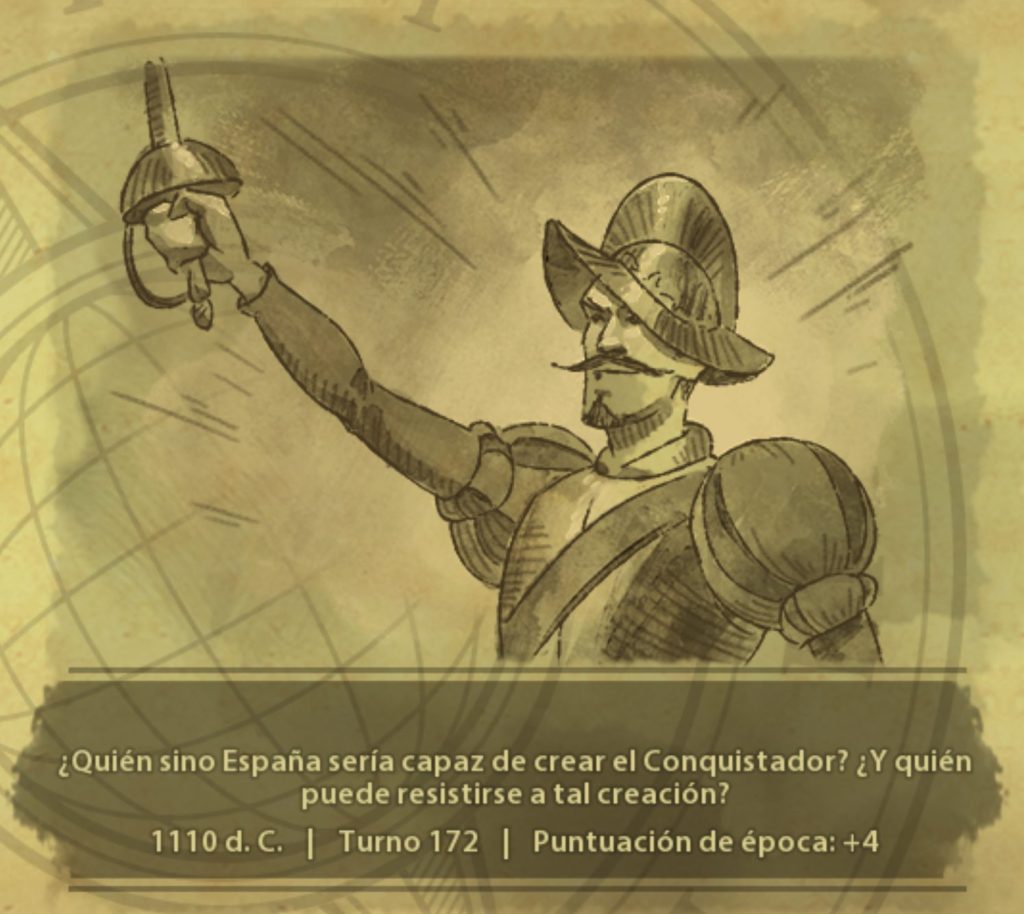
4. The Conquistador: Spain’s Unique Unit
Another of Spain’s most recognisable features in Civilization VI is its unique unit: the Conquistador. In the game, it replaces the Musketman and gains significant bonuses when fighting alongside religious units, once again combining two concepts that were closely linked during Spain’s expansion in the sixteenth century: conquest and evangelisation.
Although this game mechanic simplifies history, it reflects an important reality. The expansion of the Spanish Monarchy in the Americas was never purely military. Soldiers travelled alongside friars, government officials, jurists, and settlers, all of whom played a role in incorporating these new territories into the Crown. Conquest did not end with victory on the battlefield; it marked the beginning of a much longer process of political organisation, city-building, and the spread of Christianity.
The figure of the conquistador, however, has become surrounded by myths. The popular image of a few hundred Spaniards defeating entire empires on their own bears little resemblance to reality. Expeditions led by Hernán Cortés and Francisco Pizarro relied on thousands of Indigenous allies, took advantage of rivalries between local peoples, and benefited enormously from the devastating impact of European diseases on native populations.
For that reason, although Civilization VI portrays the Conquistador as a powerful military unit, its historical significance was much broader. It represents the beginning of a political, cultural, and social transformation that would shape the history of both Europe and the Americas for centuries.
5. Missions: Far More Than Churches
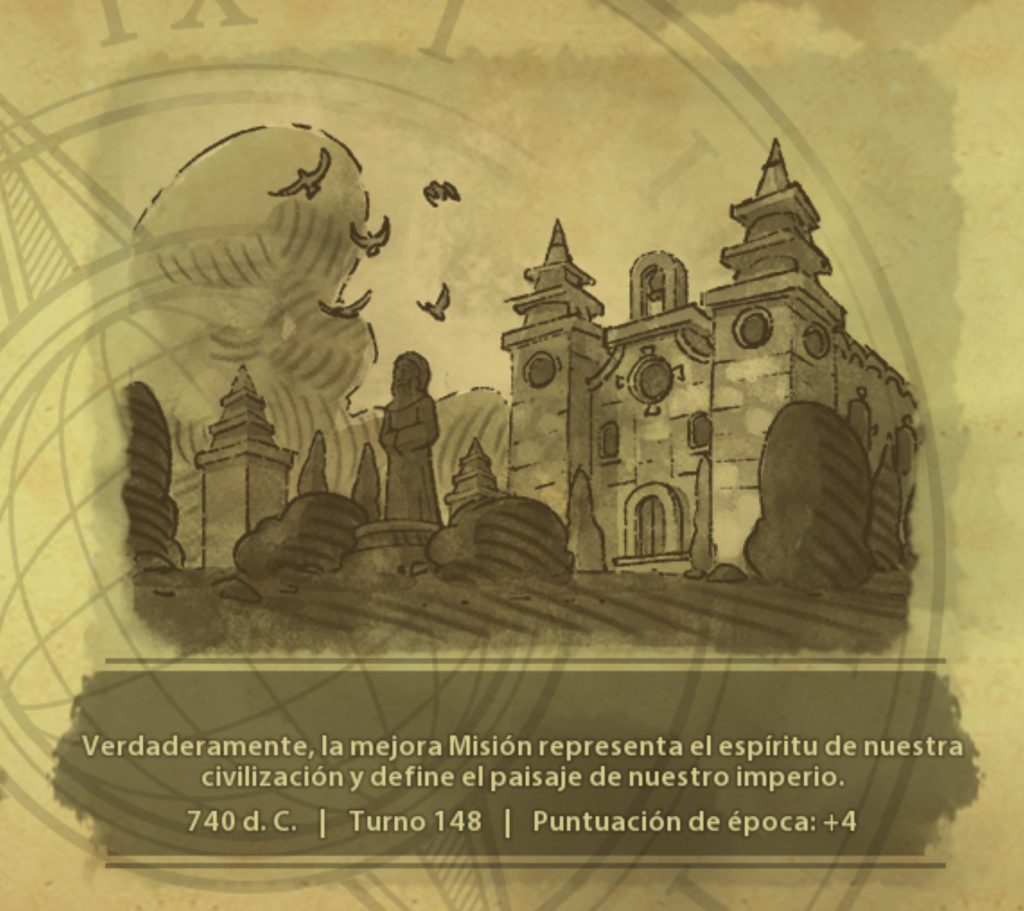
The final unique feature of Spain in Civilization VI is the Mission, a tile improvement that builders can construct to provide various bonuses as the game progresses. Once again, Firaxis takes a genuine historical institution and transforms it into a straightforward gameplay mechanic.
The Spanish missions were settlements established by religious orders—particularly the Franciscans, Dominicans, and Jesuits—with the aim of evangelising Indigenous communities. However, to see them solely as religious institutions would be misleading. Many also functioned as farming communities, craft workshops, schools, hospitals, and administrative centres from which future towns and cities eventually emerged.
Their importance was especially evident in frontier regions of the empire, including California, Texas, New Mexico, and Paraguay. Several of the best-known cities on the west coast of the United States—including San Diego, San Francisco, and Santa Barbara—grew around former Spanish missions.
For that reason, Civilization VI captures their historical role remarkably well. The Missions symbolise not only the spread of Christianity but also the Spanish Monarchy’s ability to establish permanent institutions in distant territories rather than relying solely on military occupation.
Was Philip II Really That Religious?
Anyone whose only knowledge of Philip II comes from Civilization VI would probably conclude that his entire reign was driven by religion. That conclusion is not entirely wrong—but it is incomplete. Catholicism played a central role throughout his rule, yet it coexisted with political, strategic, and economic priorities that also shaped many of his decisions.
Philip II regarded himself as the foremost defender of the Catholic faith in Europe. He supported the Counter-Reformation following the Council of Trent, fought Protestant rebels in the Low Countries, backed the Holy League against the Ottoman Empire, and sought to prevent the consolidation of Anglicanism in England. In many of these conflicts, religion was undeniably important, but so too was the struggle for political influence and the balance of power across Europe.
It would therefore be a mistake to interpret all of Philip II’s actions through a purely religious lens. He ruled an immense empire that required secure trade routes, an efficient administrative system, and strong defences against rival European powers. In many cases, politics and religion worked hand in hand; in others, strategic interests carried just as much weight as the king’s personal convictions.
In that respect, Civilization VI is right to make the defence of Catholicism one of Philip II’s defining characteristics. At the same time, the game inevitably leaves out a far more complex reality. As with most historical leaders featured in the series, no handful of abilities can fully capture the life and reign of a monarch who ruled for more than forty years.
6. What Did Civilization VI Leave Out?
Representing nearly half a century of history through just a handful of unique abilities is an impossible task. As a result, Civilization VI had to decide which aspects of Philip II’s reign to emphasise and which to leave in the background. Religion, overseas expansion, and the Missions are undoubtedly essential to understanding his rule, but they fall far short of capturing everything that defined it. Some of Philip II’s greatest achievements barely appear in the game at all.
Science in the Service of a Global Empire
When we think of Philip II, science is rarely the first thing that comes to mind. Yet governing an empire spread across four continents required an extraordinary level of scientific and technical expertise. Oceanic navigation depended on increasingly accurate maps, a better understanding of sea currents, and constant improvements in navigational instruments.
During his reign, geographical expeditions were encouraged, cartography reached new levels of sophistication, and thousands of reports were compiled about the territories of the Spanish Monarchy. The Casa de la Contratación in Seville became one of Europe’s leading centres of nautical knowledge, while the library of the Monastery of El Escorial assembled scientific, astronomical, and geographical manuscripts from across the known world.
None of this is represented in Civilization VI, despite the fact that mastery of knowledge was one of the key factors that enabled Philip II to govern such an enormous empire.
An Unprecedented Administrative System
Another major omission is the remarkable administrative machinery developed under Philip II. Unlike many rulers of his age, who governed by constantly travelling through their realms, he ruled primarily from his desk.
Reports from the Americas, Italy, Flanders, and the Philippines arrived in Madrid, where they were examined by specialised councils before reaching the king. Philip II personally reviewed an astonishing amount of documentation, making decisions based on written reports, maps, and legal opinions. Slow though it may seem by modern standards, this highly organised system enabled the Spanish Monarchy to hold together the largest empire of its time for decades.
It may not make for particularly exciting gameplay, but it was one of the foundations of Philip II’s success as a ruler.
Madrid: A Capital for a Global Empire
In 1561, Philip II made a decision that permanently changed the history of Spain: he established Madrid as the permanent seat of the royal court. Until then, Spanish monarchs had frequently moved between different cities, but Philip needed a stable political centre from which to govern a worldwide empire.
Madrid was chosen not only because of its central location on the Iberian Peninsula but also because it was free from the political influence of the kingdom’s major commercial cities. It offered the opportunity to develop a capital specifically suited to the needs of an increasingly centralised monarchy.
Over the centuries, this decision transformed what had been a relatively modest town into one of Europe’s great capitals. Landmarks such as the Royal Palace, the Paseo del Prado, and ultimately the Prado Museum are all, directly or indirectly, part of Philip II’s legacy.
The Tercios: Europe’s Finest Infantry
Many players might expect Spain’s unique military unit in Civilization VI to be a Tercio rather than a Conquistador. Although the Tercios were created during the reign of Charles V, it was under Philip II that they reached the height of their military prestige.
They fought in some of the sixteenth century’s defining campaigns, including St. Quentin, Lepanto, the Dutch Revolt, and the annexation of Portugal. Their discipline, tactical flexibility, and innovative combination of pikemen and arquebusiers earned them a reputation as the finest infantry in Europe for generations.
Firaxis instead chose the Conquistador, an understandable decision given its greater international recognition. Even so, the Tercios arguably became an even more enduring symbol of the military power of the Spanish Monarchy.
The Iberian Union
Finally, one of the most striking omissions is one of Philip II’s greatest political achievements: the incorporation of Portugal into the Spanish Crown in 1580.
Following the Portuguese succession crisis, Philip II was recognised as King of Portugal, bringing together under one monarch the two greatest maritime empires of the age. For sixty years, the Spanish Monarchy controlled territories stretching from Brazil to India, Macau, Angola, and Mozambique, creating an empire of unprecedented global reach.
It is true that this was a personal union rather than the abolition of the Portuguese kingdom, which retained its own laws and institutions. Even so, from the perspective of a strategy game, it was one of the defining features of Philip II’s reign and one of the most notable omissions from his portrayal in Civilization VI.
Philip II at the Prado Museum
Although Philip II never visited the Prado Museum—the museum would not open until more than two centuries after his death—few historical figures have shaped its collection more profoundly. Throughout his reign, the king expanded the Spanish Royal Collection by acquiring masterpieces from Italy and Flanders, commissioning works from Europe’s greatest artists, and decorating royal residences such as El Escorial with paintings that would eventually become part of the Prado’s holdings.
As a result, visitors encounter Philip II throughout the museum, not only through portraits of the king himself but also through the extraordinary collection he helped create. Works by Titian, Hieronymus Bosch, Tintoretto, and many other artists entered the Royal Collection during his reign, making Philip II one of the greatest patrons in Spanish history.
Philip II, by Sofonisba Anguissola
Among the many portraits of Philip II preserved at the Prado, one of the most remarkable is the one painted by Sofonisba Anguissola. Unlike Titian, who worked mainly from Italy, Anguissola spent years at the Spanish court after arriving in 1559 as a lady-in-waiting to Queen Elisabeth of Valois. This close relationship gave her an unusual familiarity with the royal family and allowed her to portray the king with a sense of immediacy rarely achieved by other artists.
Her portrait presents Philip II at the height of his power, dressed in black in accordance with Spanish court fashion. The restrained colour palette, the absence of unnecessary ornament, and the king’s composed expression all reflect the image he wished to project: a disciplined, dignified ruler whose authority rested on duty rather than spectacle.
For anyone who has encountered Philip II through Civilization VI, this portrait offers an excellent opportunity to compare the historical monarch with his digital counterpart. The game emphasises his religious devotion and imperial ambitions; Anguissola’s painting reveals the man who stood behind both—a calm, reserved, and highly self-controlled king who governed the largest empire of his age from behind a desk rather than from the battlefield.
Do you want to know more? Come with the guides you need!
If after this article you want to know more about this Spanish king, all you need to do is come with us to the Prado Museum! Click here to book!